The jewelry market is dominated by long-established brands with years of authority, massive backlink profiles, and strong brand recognition built through press features and paid advertising.
This case study explains how SEOSkit helped a premium jewelry brand grow from zero organic traffic to over $1.7M in organic revenue in just 16 months, without relying on paid ads as the primary growth lever.
From day one, the objective was clear: Build organic search into a sustainable, revenue-generating channel that could scale long-term.
Performance Snapshot
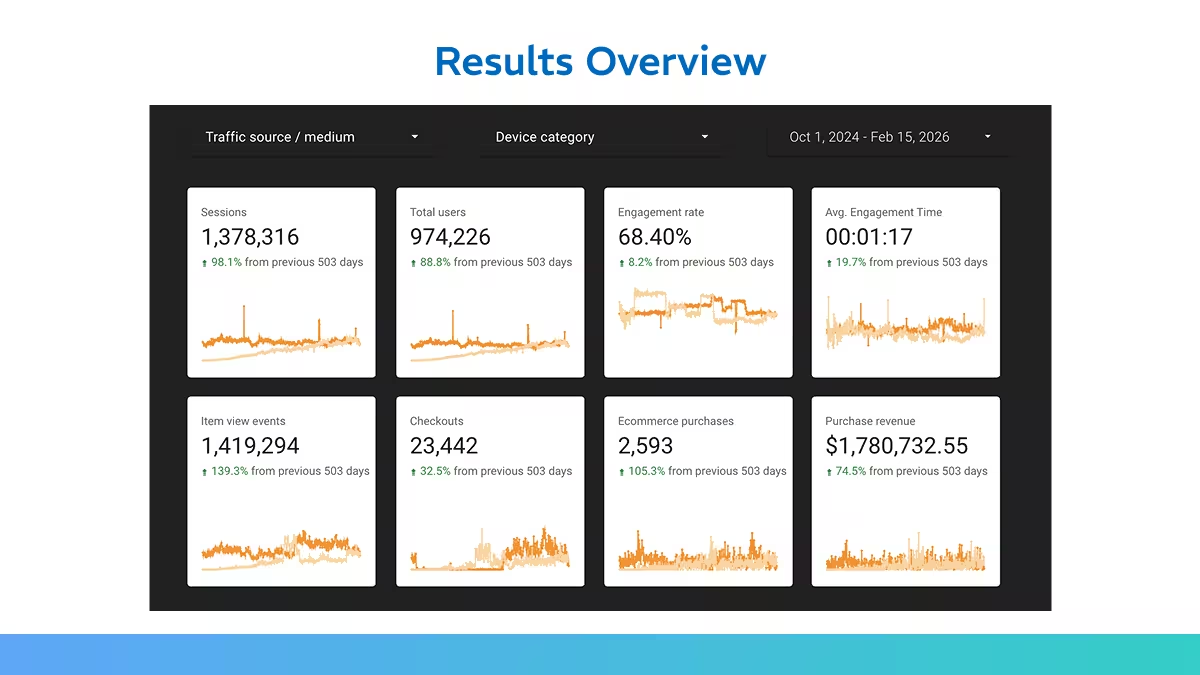
Last 16 Months
Revenue: $1,780,732.55 (+74.5%)
Purchases: 2,593 (+105.3%)
Checkouts: 23,422 (+32.5%)
Monthly organic revenue: $175K+
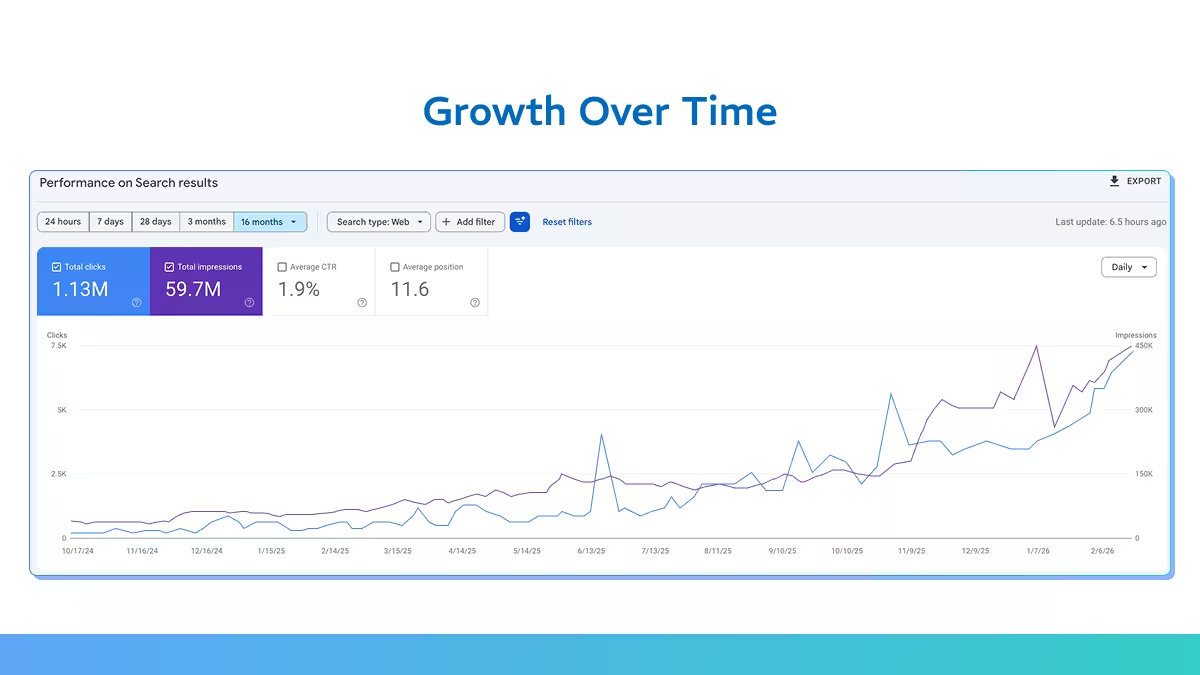
16-Month Cumulative
Total clicks: 1.13M
Total impressions: 59.7M
Average position: 11.6
Click-through rate: 1.9%
About SEOSkit
SEOSkit is a data-driven SEO agency focused on high-ROI growth for e-commerce brands. We help businesses reduce dependence on paid ads by building organic visibility that drives consistent revenue.
Our approach blends technical improvements, content strategy, authority building, and conversion optimization into one cohesive growth system. SEOSkit has worked with over 500 brands across competitive industries, including luxury and premium e-commerce.
Case Overview
Industry: Luxury Jewelry
Products: Moissanite and gemstone jewelry
Price Range: $500–$5,000
Platform: Shopify
Timeline: 16 months (ongoing)
Starting Point
At the beginning of the project, the brand had:
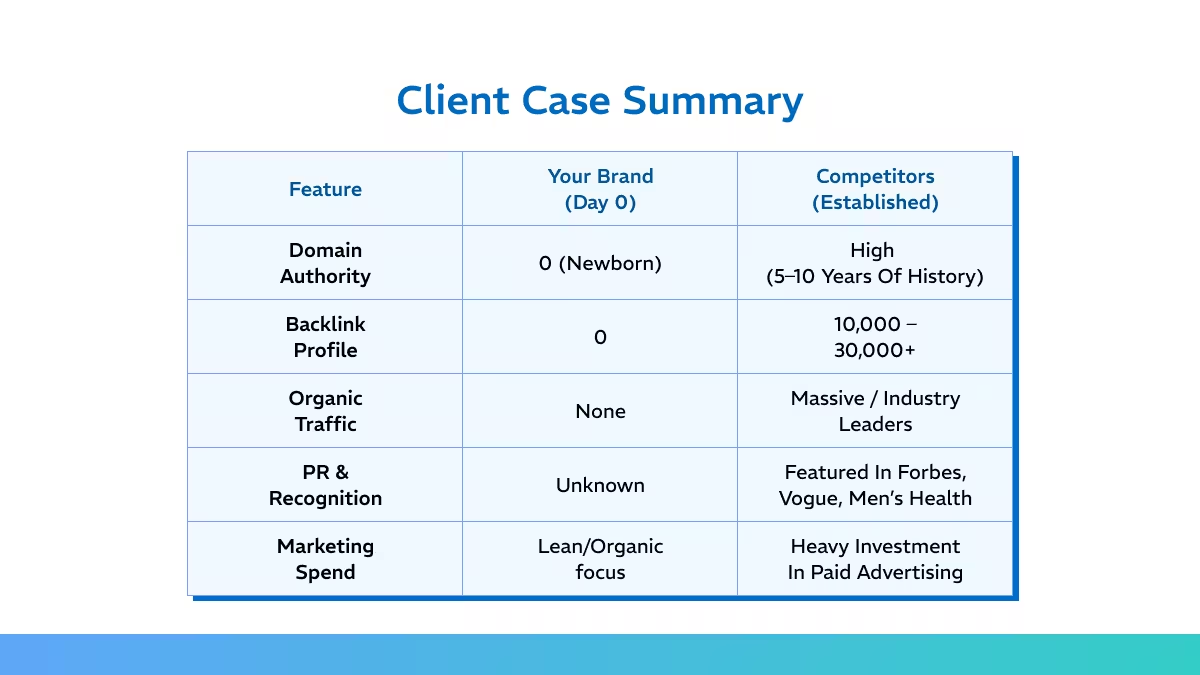
The challenge was significant, but the opportunity was clear.
About the Client's Business
The client operates a direct-to-consumer luxury jewelry brand focused on ethically sourced, lab-created gemstones. Their products offered diamond-level brilliance at more accessible price points while emphasizing sustainability and craftsmanship.
This positioning appealed to conscious buyers, but it also meant higher expectations. Jewelry purchases in this price range are rarely impulsive. Customers research extensively, compare brands, and look for trust before committing.
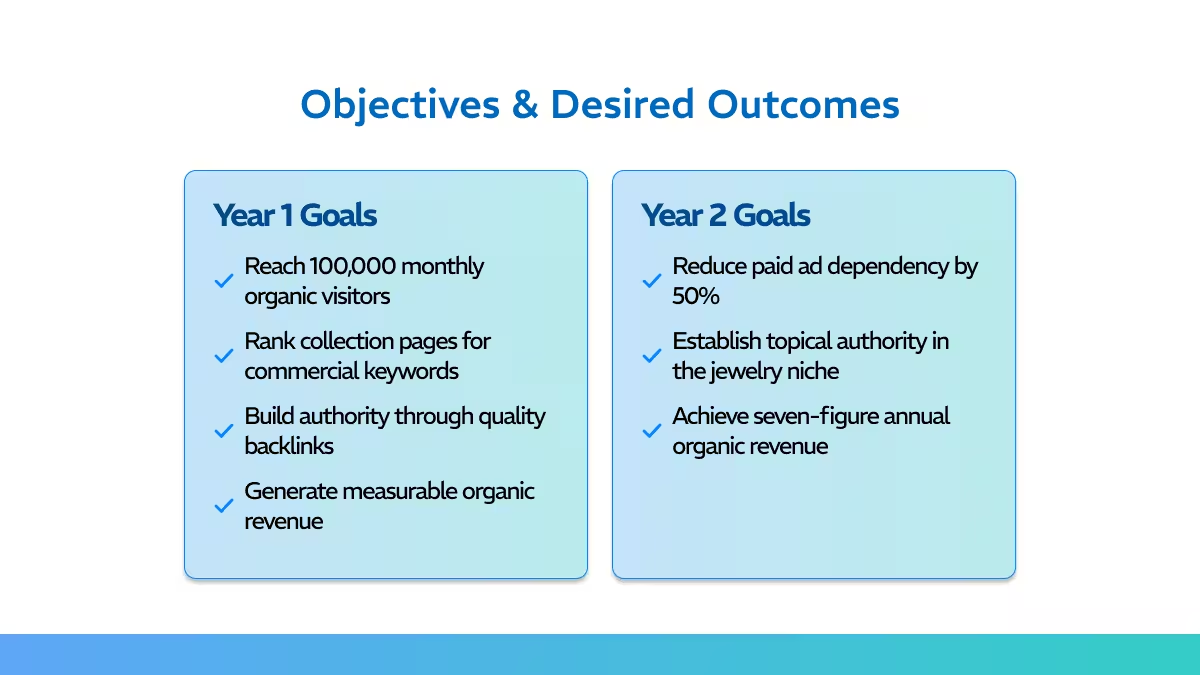
Goals & Expectations
Year 1 Goals
Reach 100,000 monthly organic visitors
Rank collection pages for commercial keywords
Build authority through quality backlinks
Generate measurable organic revenue
Year 2 Goals
Reduce paid ad dependency by 50%
Establish topical authority in the jewelry niche
Achieve seven-figure annual organic revenue
Initial Audit & Research Findings
Before execution, SEOSkit conducted a detailed audit across technical performance, content depth, and competitor strategy.
Market Insights

Competitors had strong authority but clear weaknesses:
Slow mobile load times
Poor mobile navigation
Thin collection pages with no guidance
Weak educational content
Brands ranked well, but users were underserved.
Key Challenges Identified
1. High-Value Purchase Hesitation
Buyers spending $2,000+ needed strong trust signals and education.
2. Visual-First Buying Behavior
Jewelry discovery relies heavily on images and inspiration.
3. Expensive Paid Traffic
Paid search costs were too high to rely on long-term.
4. Complex Category Structure
Products could be grouped by material, type, occasion, style, or price.
5. Authority Gap
Competing brands had spent years building credibility.
Our jewelry SEO service is built for exactly these ecommerce challenges.
Our 10-Step eCommerce SEO Strategy (Overview)
To overcome these challenges, SEOSkit implemented a 10-step SEO framework, designed to build a scalable and revenue-focused organic system.
Step 1: Technical SEO Foundation
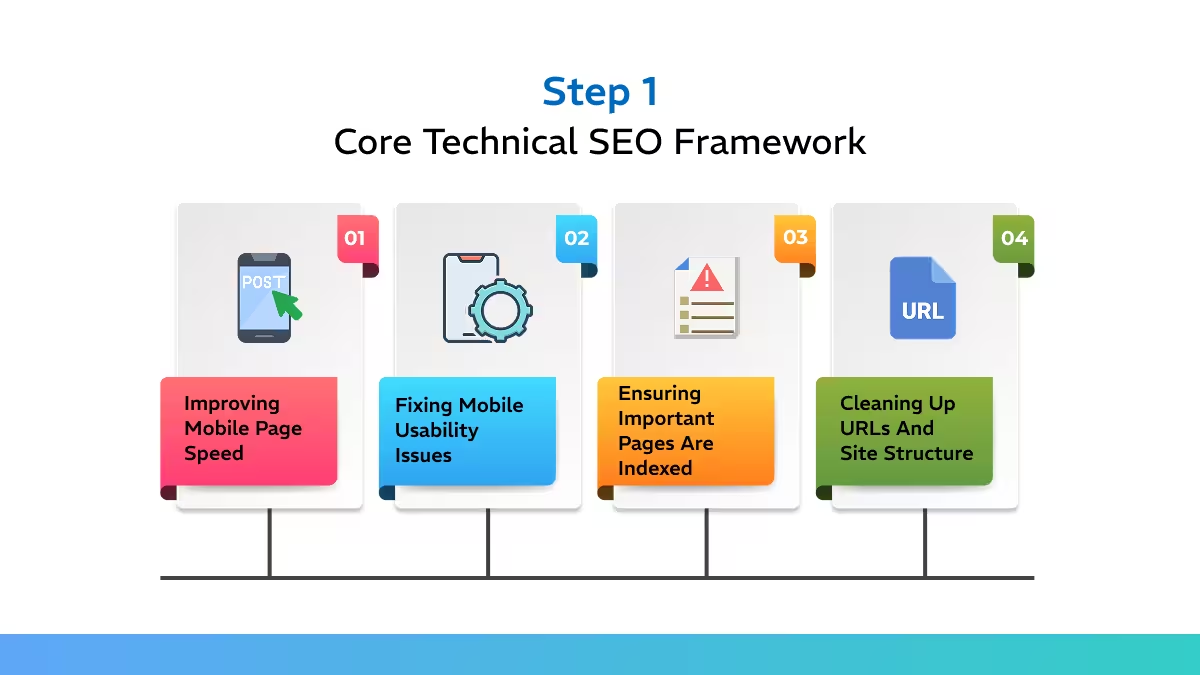
The first step was making sure the website worked properly. Before SEO can drive growth, a site must load fast, work smoothly on mobile, and be easy for search engines to understand.
We focused on:
Improving mobile page speed
Fixing mobile usability issues
Making sure important pages could be crawled and indexed
Cleaning up URLs and site structure
These changes improved user experience and ensured that future SEO work wouldn't be held back by technical problems.
Step 2: Strategic Collection Page Architecture
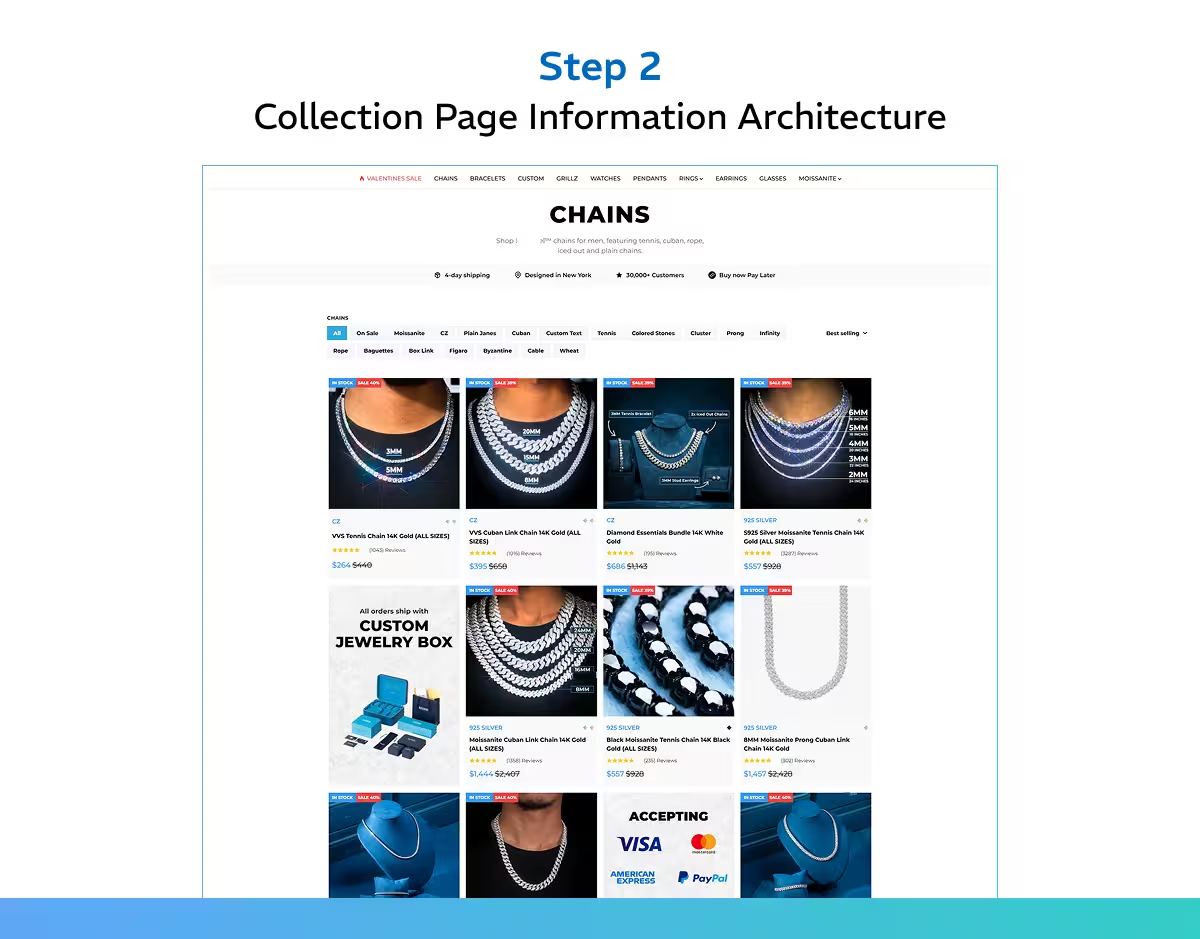
Collection pages became the main revenue drivers. Instead of simple product grids, we treated these pages as buying decision pages.
Each major collection page was improved with:
Clear explanations of the product category
Simple buying guidance
Answers to common questions
Internal links to related collections and guides
This helped users choose confidently and gave search engines strong category signals.
Step 3: Product Page Optimization
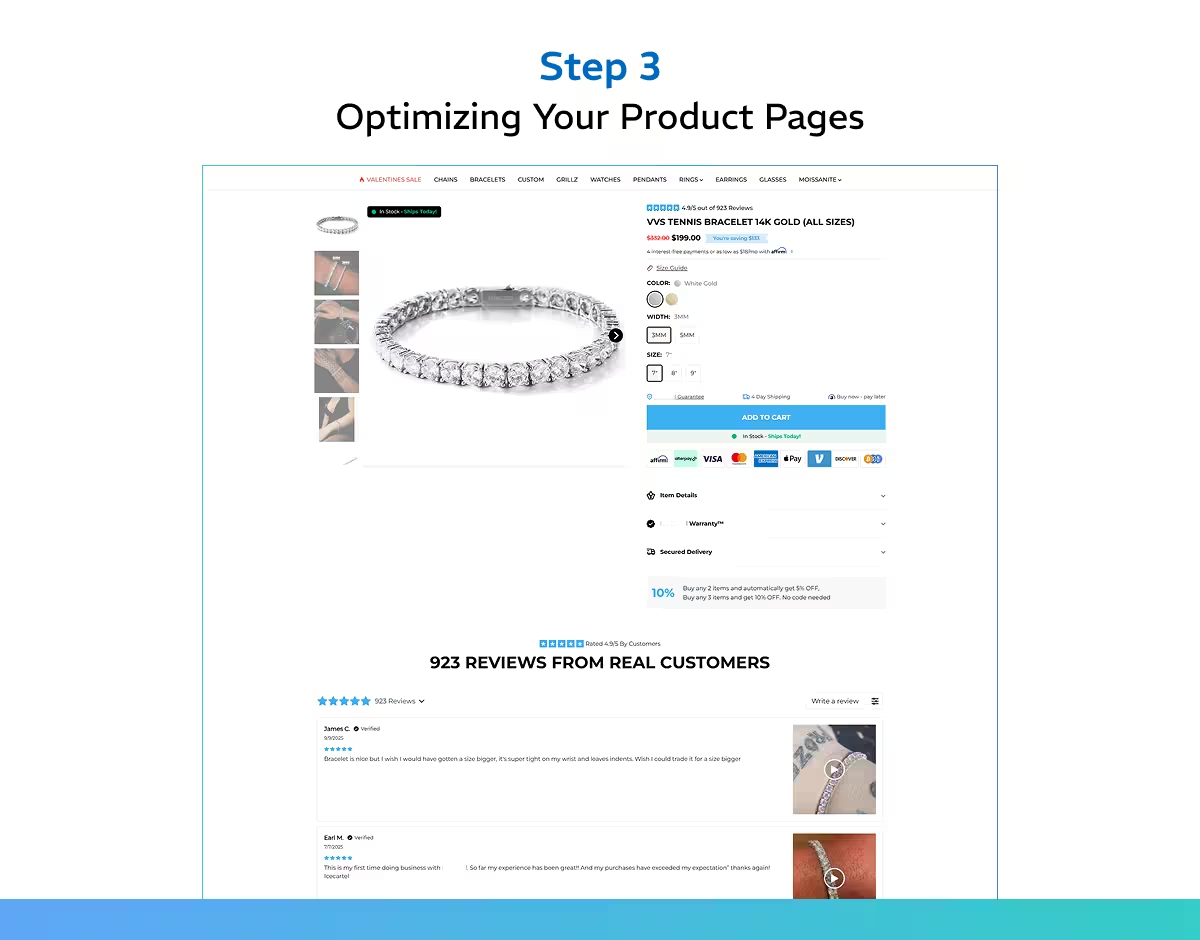
Product pages were refined to build trust and reduce hesitation.
Key improvements included:
High-quality images from multiple angles
Lifestyle images showing jewelry in real use
Clear pricing, shipping, and return details
Reviews and certifications placed prominently
These changes increased both engagement and conversions, especially for first-time visitors.
Step 4: Content Marketing for Trust & Authority
Content played a critical role in educating buyers. Rather than publishing random blogs, we focused on content that answered real customer questions.
Content topics included:
Moissanite vs diamond comparisons
Buying guides
Jewelry care and maintenance
Style and occasion inspiration
Each piece of content was written in simple language and linked back to relevant collection pages, guiding users naturally from research to purchase.
Step 5: Strategic Link Building
To compete with established brands, authority needed to grow steadily and safely.
We focused on:
Earning links from relevant fashion, lifestyle, and wedding websites
Publishing content that naturally attracted references
Maintaining a slow and consistent link growth pattern
Over time, this helped the site build credibility without risking penalties.
Step 6: Google Merchant Center Optimization
Product listings were optimized to increase visibility in shopping results.
This included:
Clear and accurate product titles
Detailed descriptions and attributes
High-quality product images
Accurate pricing and availability
Seasonal promotions were also used to improve visibility during key buying periods.
Step 7: Conversion Rate Optimization (CRO)
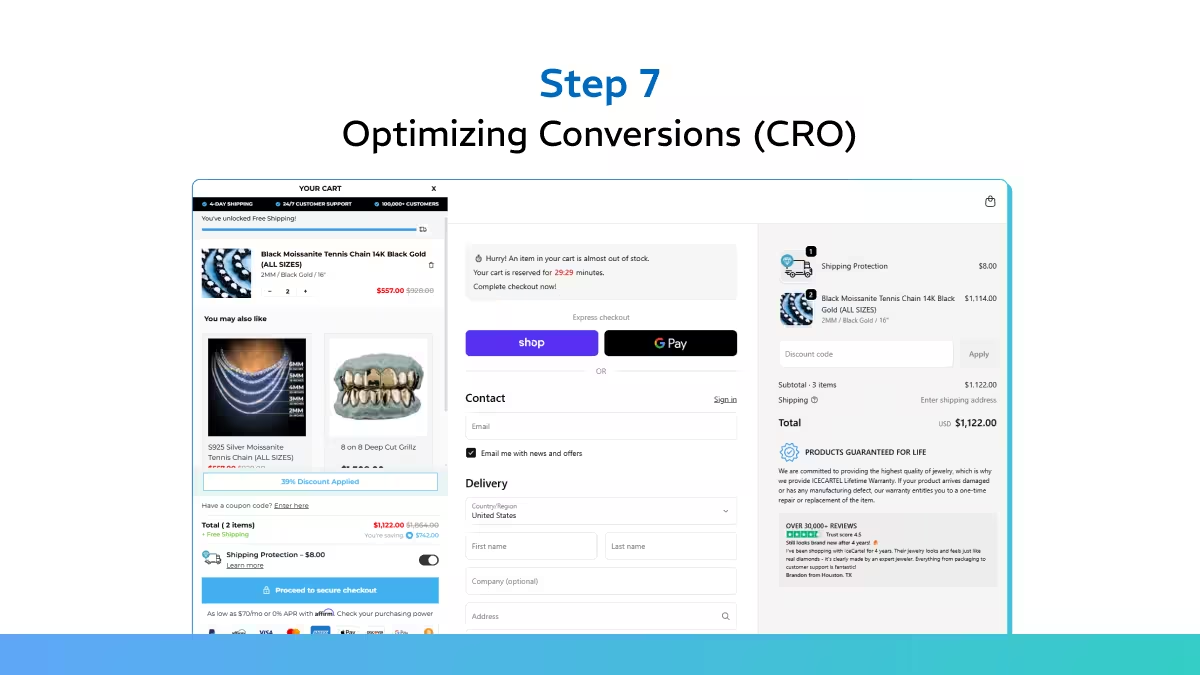
As traffic increased, improving conversion became a priority.
We focused on:
Clear trust signals like guarantees and warranties
Buy Now, Pay Later options
Simplified checkout, especially on mobile
Cart abandonment reminders
These improvements helped turn traffic into consistent revenue.
Step 8: Internal Linking Architecture
Internal linking helped distribute visibility across the site.
We ensured that:
Content linked to relevant collection pages
Collections linked to related products
Products linked back to helpful guides
This improved user navigation and helped search engines understand page relationships.
Step 9: Ongoing Monitoring & Optimization
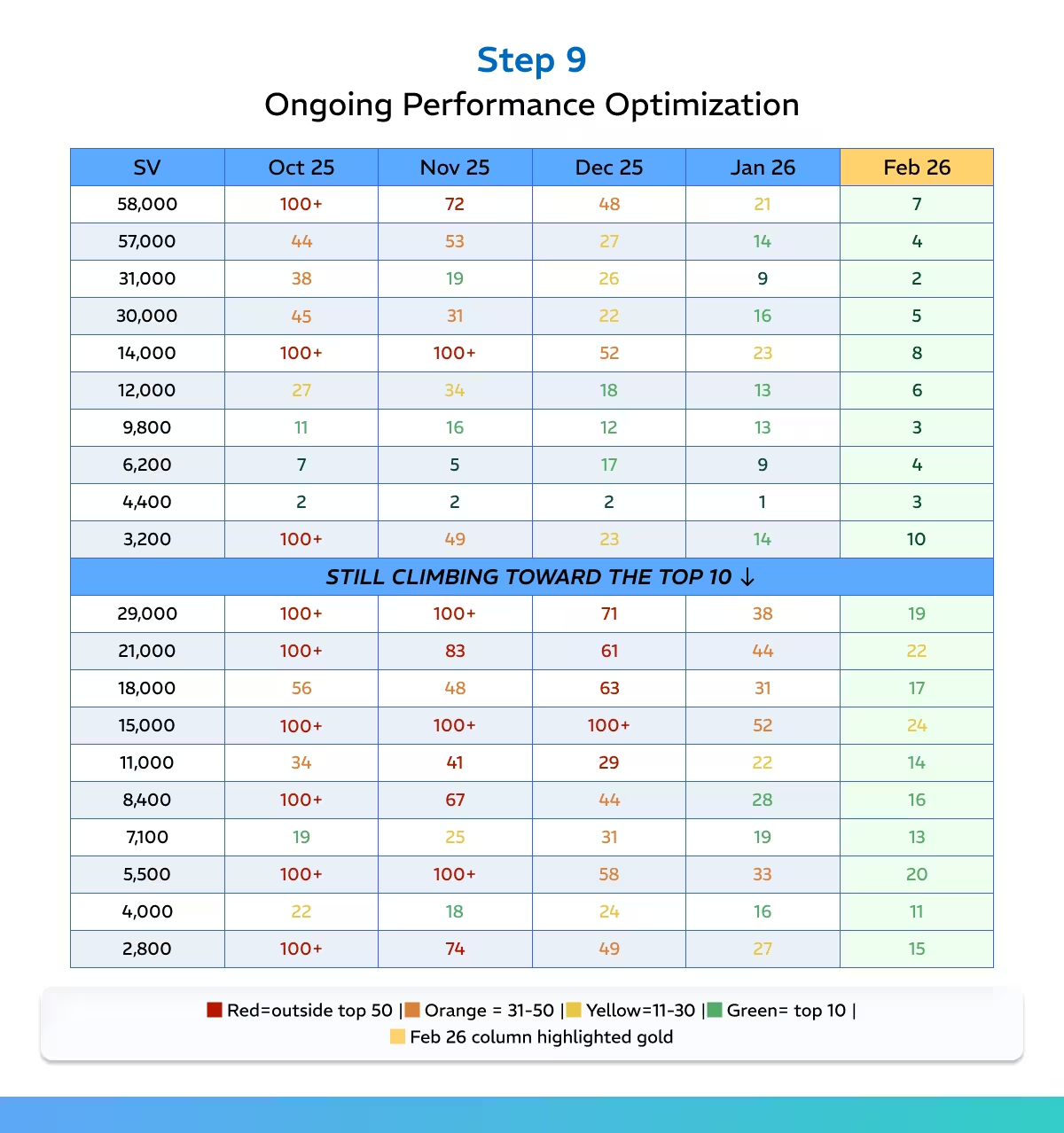
SEO performance was reviewed continuously.
We:
Tracked keyword performance regularly
Updated pages that slipped in rankings
Expanded content that performed well
Adjusted strategy based on competitor changes
This ensured steady improvement rather than one-time gains.
Step 10: Revenue Tracking & Attribution
Every SEO action was tied back to revenue.
We tracked:
Which pages generated sales
How content supported purchases
Organic revenue by category and product
This allowed clear reporting on ROI and ensured SEO decisions were driven by business impact, not vanity metrics.
This store turned the 10-step playbook into 1.14M organic clicks in 16 months. Our WooCommerce SEO service brings the same system to WordPress stores.
Explore Our WooCommerce SEO ServiceGrowth Timeline: How Results Compounded Over 16 Months
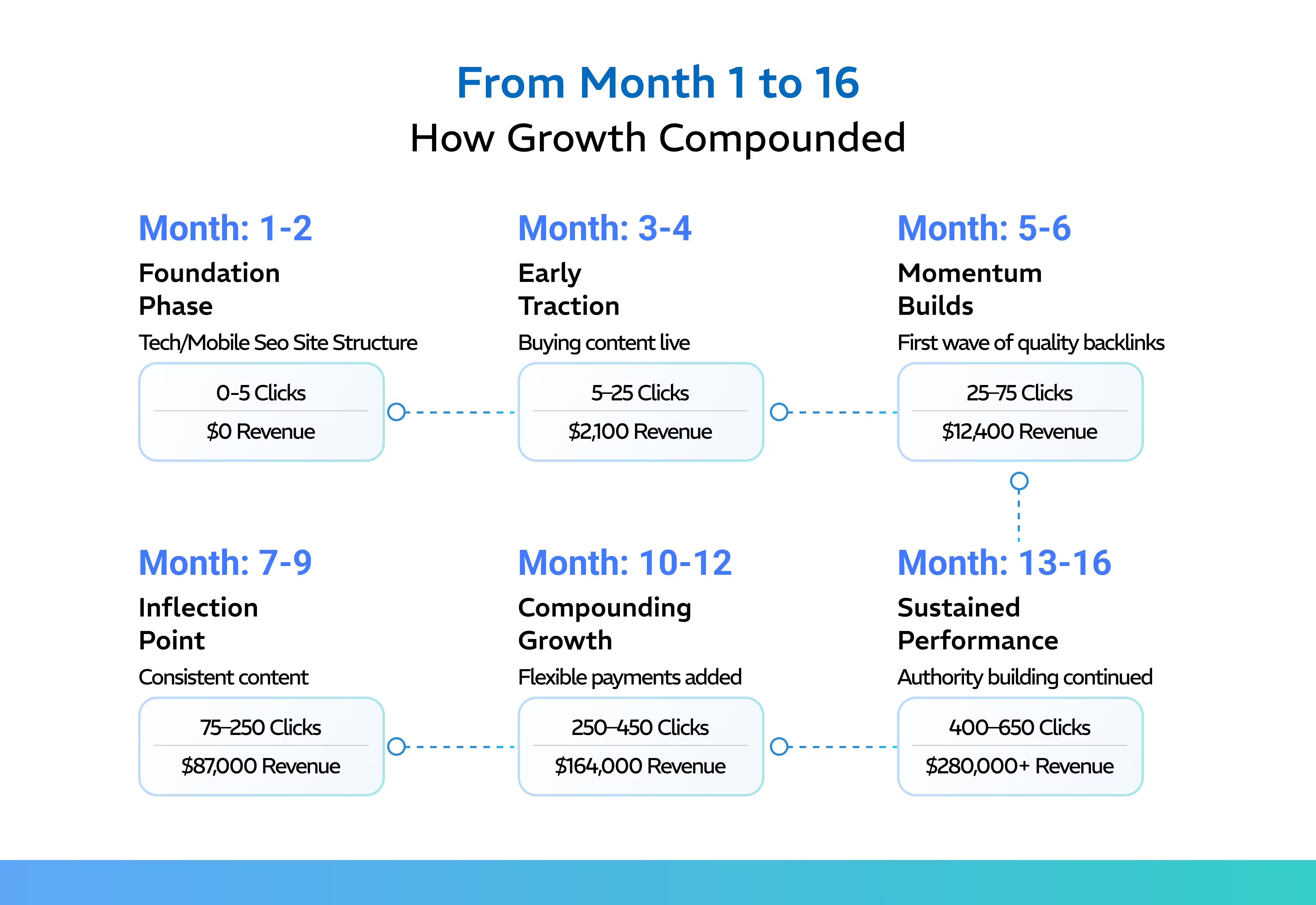
SEO growth is rarely linear. Especially in competitive industries like jewelry. This project followed a predictable pattern: slow beginnings, steady traction, and then compounding momentum.
| Phase | What Happened | Results |
|---|---|---|
| Months 1–2: Foundation Phase | Technical and mobile improvements completed; core site structure finalized; tracking systems set up; content and category planning finalized | Daily clicks: 0–5 | Organic revenue: $0 | Search engines began indexing pages properly |
| Months 3–4: Early Traction | First buying guides and comparison content went live; main collection pages expanded; initial outreach for authority building began | Daily clicks: 5–25 | First organic sales ($2,100) | Several pages reached page two of search results |
| Months 5–6: Momentum Builds | Additional content published consistently; first wave of quality backlinks acquired; internal linking strengthened; early conversion improvements introduced | Daily clicks: 25–75 | Organic revenue: $12,400 | Multiple collection pages moved into page one or high page two positions |
| Months 7–9: Inflection Point | Consistent content publishing; authority grew steadily; advanced internal linking implemented; mobile checkout and cart recovery optimized | Daily clicks: 75–250 | Organic revenue: $87,000+ | Multiple keywords reached top 3 | Branded searches began appearing |
| Months 10–12: Compounding Growth | Continued content publishing; strong seasonal performance; conversion improvements intensified; Buy Now, Pay Later options added | Daily clicks: 250–450 | Organic revenue: $164,000 (over three months) | Organic traffic surpassed paid traffic for the first time |
| Months 13–16: Sustained Performance | Underperforming pages optimized; authority building continued; seasonal campaigns fine-tuned; ongoing testing on high-traffic pages | Daily clicks: 400–650 | Organic revenue: $280,000+ | Conversion rate: 4.3% | Monthly organic revenue exceeded $175,000 |
Months 1–2: Foundation Phase
The first two months were focused entirely on groundwork.
What happened
Technical and mobile improvements were completed
Core site structure was finalized
Tracking systems were set up
Content and category planning was finalized
Results
Daily clicks: 0–5
Organic revenue: $0
Search engines began indexing pages properly
Although traffic was minimal, this phase ensured that future efforts wouldn't be wasted.
Months 3–4: Early Traction
With the foundation in place, the site began publishing its first core content and improving key pages.
What happened
First buying guides and comparison content went live
Main collection pages were expanded
Initial outreach for authority building began
Results
Daily clicks increased to 5–25
First organic sales appeared ($2,100)
Several pages reached page two of search results
This was the first proof that the strategy could generate real revenue.
Months 5–6: Momentum Builds
As more content and authority were added, performance began to accelerate.
What happened
Additional content published consistently
First wave of quality backlinks acquired
Internal linking strengthened across pages
Early conversion improvements introduced
Results
Daily clicks: 25–75
Organic revenue: $12,400
Multiple collection pages moved into page one or high page two positions
Conversion rate improvements started to amplify traffic gains.
Months 7–9: Inflection Point
This period marked a major turning point in performance.
What happened
Consistent content publishing continued
Authority grew steadily
Advanced internal linking implemented
Mobile checkout and cart recovery optimized
Results
Daily clicks increased to 75–250
Organic revenue exceeded $87,000
Multiple keywords reached top 3 positions
Branded searches began appearing
At this stage, SEO was no longer experimental, it was becoming a reliable revenue channel.
Months 10–12: Compounding Growth
Earlier efforts began stacking on top of each other.
What happened
Continued content publishing and optimization
Strong seasonal performance during key buying periods
Conversion improvements intensified
Buy Now, Pay Later options added
Results
Daily clicks: 250–450
Organic revenue: $164,000 (over three months)
Organic traffic surpassed paid traffic for the first time
Older content continued climbing without additional effort, showing the compounding effect of SEO.
Months 13–16: Sustained Performance
The final phase focused on refinement and scaling.
What happened
Underperforming pages optimized
Authority building continued
Seasonal campaigns fine-tuned
Ongoing testing on high-traffic pages
Results
Daily clicks: 400–650
Organic revenue: $280,000+
Conversion rate stabilized at 4.3%
Monthly organic revenue exceeded $175,000
At this point, organic search became the brand's primary growth engine.
Final Results After 16 Months
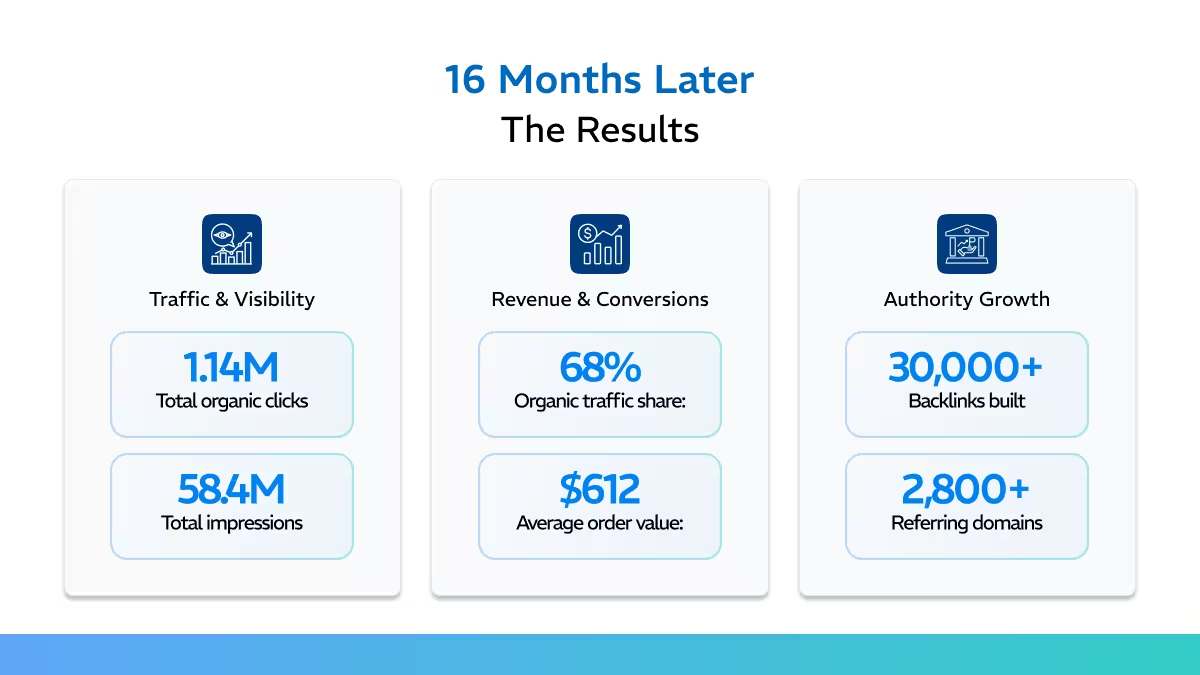
Traffic & Visibility
| Metric | Result |
|---|---|
| Total organic clicks | 1.14M |
| Total impressions | 58.4M |
| Average ranking position | 11.9 (improving for revenue keywords) |
| Pages indexed | 847 |
| Featured placements earned | 23 |
Revenue & Conversions
| Metric | Result |
|---|---|
| Tracked organic revenue (collections) | $1.7M+ |
| Total organic-assisted revenue | $1.5M+ |
| Average order value | $612 |
| Conversion rate improvement | 0.4% → 4.3% |
| Organic traffic share | 68% of total site traffic |
Authority Growth
| Metric | Result |
|---|---|
| Backlinks built | 30,000+ |
| Referring domains | 2,800+ |
| Brand mentions | Increased significantly |
| Branded search demand growth | +847% |
Business Impact Beyond SEO
The impact of SEO extended far beyond rankings and traffic.
Paid advertising spend reduced by 60%
Customer acquisition costs dropped significantly
Marketing spend became more predictable
Savings reinvested into inventory and customer experience
Instead of relying on ads, the brand built a sustainable growth channel that continues to compound month after month.
Key Takeaways
1. Strong Foundations Are Essential
Technical performance and usability make all other SEO efforts more effective.
2. Collection Pages Drive Real Revenue
Well-structured category pages can outperform blog content in e-commerce.
3. Content Builds Trust in High-Ticket Niches
Education reduces hesitation and improves conversions.
4. Authority Growth Must Be Steady and Natural
Consistency beats shortcuts in competitive markets.
5. Conversion Optimization Multiplies Results
Better conversion rates turn the same traffic into more revenue.
6. SEO Rewards Patience
The biggest gains came after month nine.
Ready to Transform Your E-commerce SEO?
Get your SEO assessment. We'll show you your current standing, top opportunities, and a realistic growth timeline.
Get Your AssessmentConclusion
This jewelry e-commerce case study shows that SEO, when approached strategically, can transform a new brand into a serious competitor, even in one of the most challenging online markets.
By focusing on strong foundations, trust-building content, steady authority growth, and conversion optimization, SEOSkit helped this brand grow from zero organic presence to over $1.7M in organic revenue in just 16 months.